Keizer, Oregon · Established 1948

StrategicPlan
Keizer Fire District
Fiscal Year 2027 – 2032
Scroll
Keizer, Oregon · Established 1948
Keizer Fire District
Fiscal Year 2027 – 2032
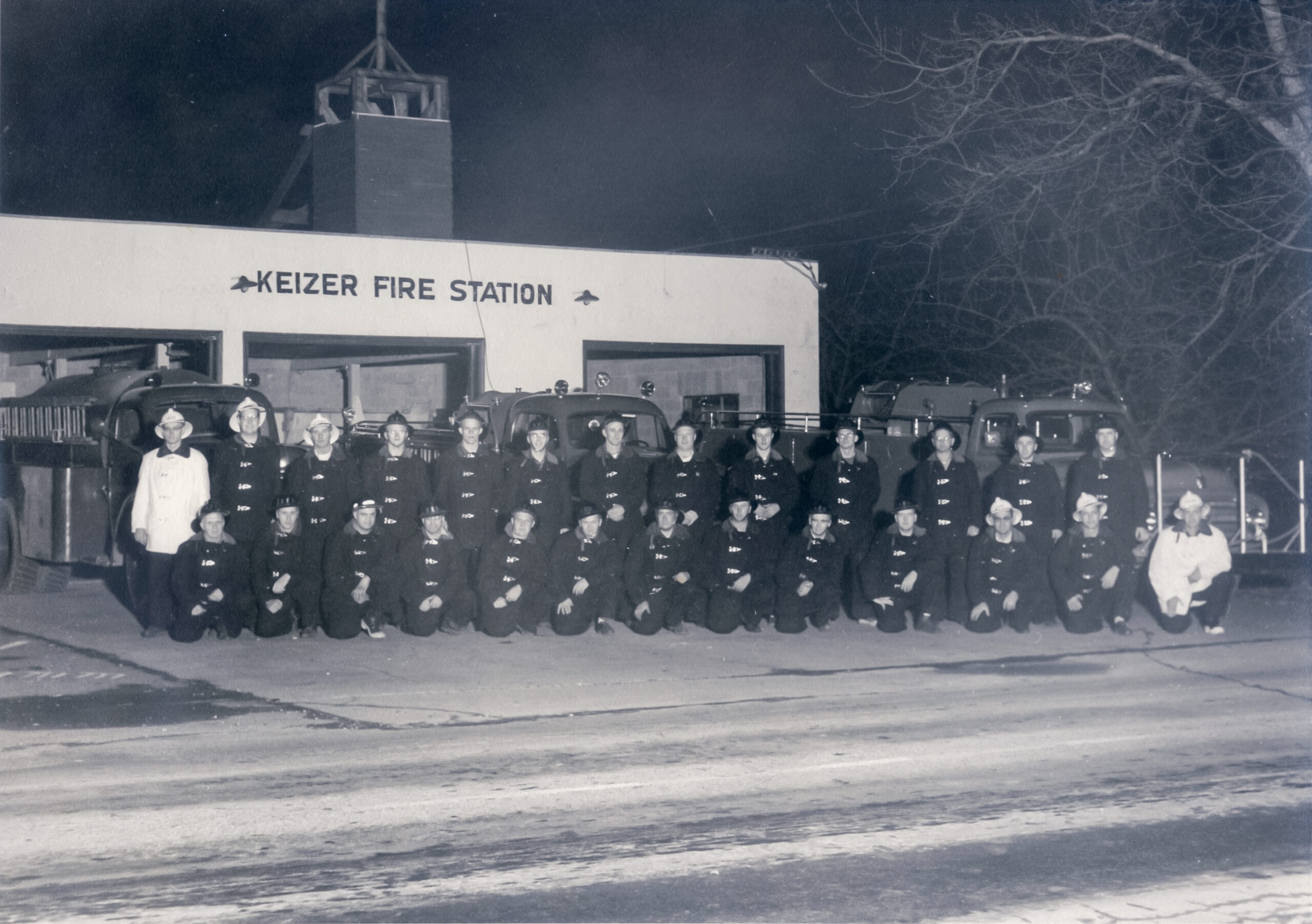
Keizer Fire District has been here for our community since 1948, and our commitment hasn’t changed. While we’re best known for answering 911 calls, we’re also focused on the everyday work that helps prevent emergencies in the first place—public safety education, community outreach, and safety inspections that support safer homes, businesses, and neighborhoods.
Today, Keizer Fire District is your full-service fire, rescue, and EMS agency—ready to respond when you need us most. We’re staffed by 52 career employees and 10 volunteer firefighters. The District is governed by a five-member elected Board of Directors and serves over 40,000 residents from one centrally located fire station. In 2025, we responded to 7,097 calls for service—each one a reminder that our neighbors are counting on a fast, reliable, and prepared response.
Our mission is both clear and personal: to protect lives, property, and the environment through quality emergency response and strong community involvement. We fulfill that mission through career and volunteer professionals committed to excellence and dedicated to service in fire prevention, emergency medical services, fire suppression, hazardous materials response, and natural disaster response. Whether responding to an emergency, teaching safety in a classroom, or supporting community events, we are here for our neighbors—ready to serve, connected to the people we protect, and committed to keeping Keizer safe together.
The nature of the call has changed. Today, the overwhelming majority of what KFD answers is medical—not fire. This shift shapes everything from staffing models to equipment investment throughout this plan.
To protect lives, property, and the environment through effective response and community engagement, delivered by professionals committed to excellence and dedicated to service.
To be a trusted, efficient, proactive organization that delivers exceptional service, strengthens collaborative partnerships, responsibly manages resources, and adapts to changing community needs.
We recognize that those we serve are often experiencing the worst moments of their lives. We respond with empathy, patience, and dignity — every time.
We do what we say, and we say what we mean. Whether we are on a call or off duty, our conduct reflects the same standard — no exceptions.
We treat every person — community member, partner, or fellow firefighter — with the same courtesy and professional regard we expect in return.
We own our results. When we commit to something, we follow through. When we fall short, we say so and fix it. Accountability starts at the top.
This plan is organized around five interconnected goals—each one rooted in what our community, Board, and team identified as the priorities that matter most for the next five years.
Adopted performance standards will be in place, deployment will be data-driven, and the Board and community will receive regular, transparent reporting on service delivery outcomes.
All personnel will meet certification standards, compensation will be competitive, and at least one regional collaboration opportunity will be evaluated or in place by the end of the plan period.
KFD will have a Board-adopted EMS service model informed by data, with deployment aligned to actual call demand and a documented position on advanced practice paramedic roles.
Reliable. Responsive. Ready.
In 2025, KFD answered 7,097 calls — nearly 80% medical. The face of emergency response has changed. This plan meets it.
Responsible stewards of public resources—ready when it matters most.
Keizer Fire District will operate from a multi-year financial forecast with adopted reserve policies, a renewed levy, and a documented plan for known revenue risks.
A Board-adopted capital equipment replacement schedule will be in place, funded annually, with no frontline apparatus beyond its replacement cycle without documented justification.
All facilities will be assessed, with deficiencies identified and Board-approved remediation plans developed; a long-range facility master plan will be developed, to include additional station and funding options.
Personnel will report feeling informed about organizational priorities, officer-level information will consistently reach line staff, and a functioning feedback mechanism will be in place to measure the outcome.
The Board will be consistently well informed. The community will receive regular, proactive communication about District services, prevention, and issues through multiple platforms.
Built through months of real conversations with community members, our Board, and our team — and built to keep listening.
Medical calls now make up nearly 80% of our calls for service — we are ready for every one of them.
All high and special-risk occupancies will be inspected annually, compliance will improve year-over-year, and no known target hazard will exist without a current inspection record and pre-plan.
Prevention programs will reach each identified at-risk population annually, an annual prevention report will be produced, and year-over-year data will show measurable improvement in targeted incident categories.
“Prevention, education, and two-way communication are key to keeping Keizer safe.”
At the center of this plan is a commitment to the people of Keizer Fire — career staff and volunteers who show up for this community every single day.
Career pathway guides will exist for all ranks, promotional processes will be transparent and consistent, and personnel will report feeling supported in their career goals, with progress reviewed by supervisors as part of the annual review process.
Succession plans will exist for all key leadership positions, and workload will be monitored against established standards.
All personnel will have access to peer support and mental health resources, workforce health indicators will be tracked and benchmarked against Oregon peers annually, and retention will hold steady or improve.
Strategic planning serves as a foundational roadmap, outlining the specific goals and objectives identified throughout the planning process. This goes beyond simply setting goals: it means critically assessing existing resources and identifying what additional capabilities are needed to achieve them. To ensure a comprehensive and accurate result, this plan was developed through a collaborative framework involving active participation from key stakeholders — Board members, community members, and District personnel — whose perspectives were gathered across multiple working sessions, then synthesized and evaluated to shape the final plan.
This plan was shaped by listening — to community members, our Board, and our team. That doesn’t stop now that it’s adopted. If you have a question, a concern, or an idea about where KFD is headed, we want to hear it.
